All India Judges Association v. Union of India: Three Years Bar Practice Now Mandatory for Civil Judge Exam
The Supreme Court mandated that candidates for Civil Judge (Junior Division) examination must have practiced law for a minimum of three years, reshaping judicial recruitment.
Adv. Rajesh Kumar
Senior Partner, Constitutional Law
Introduction
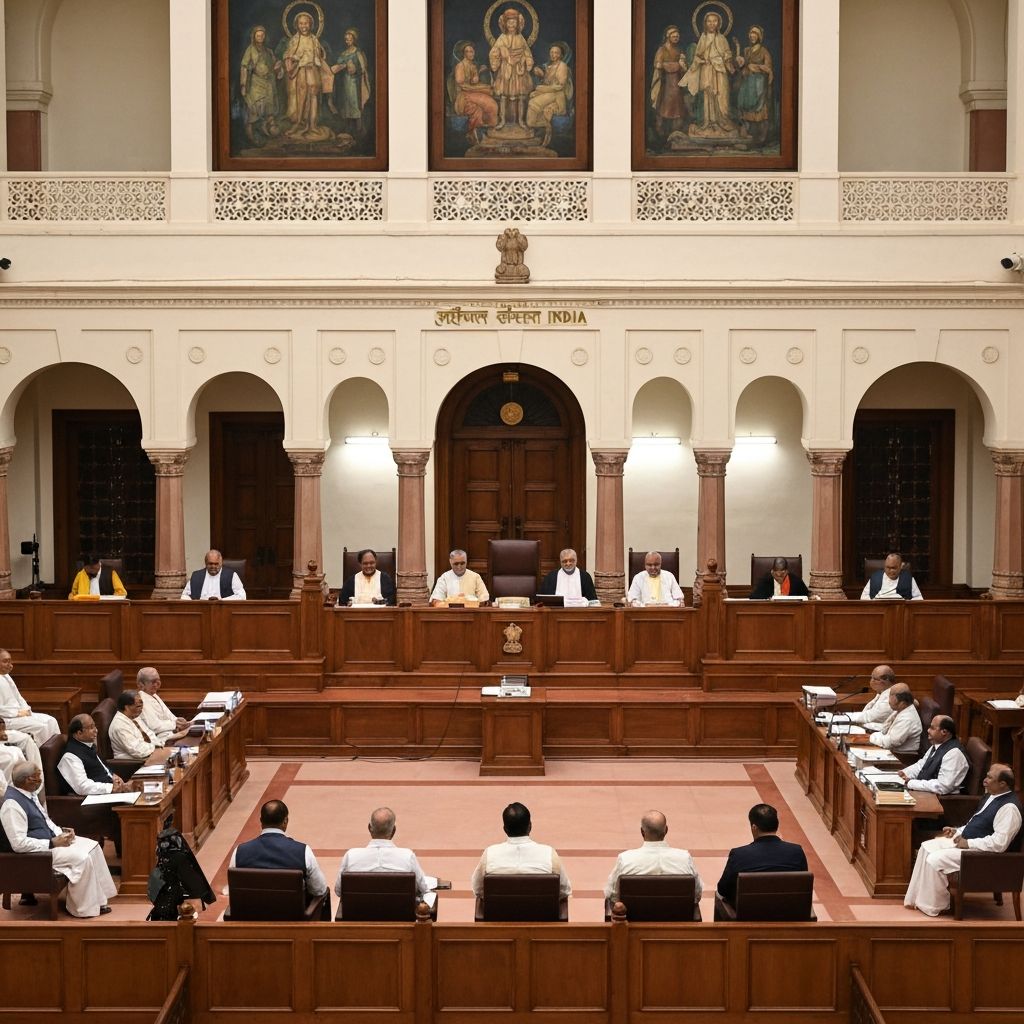
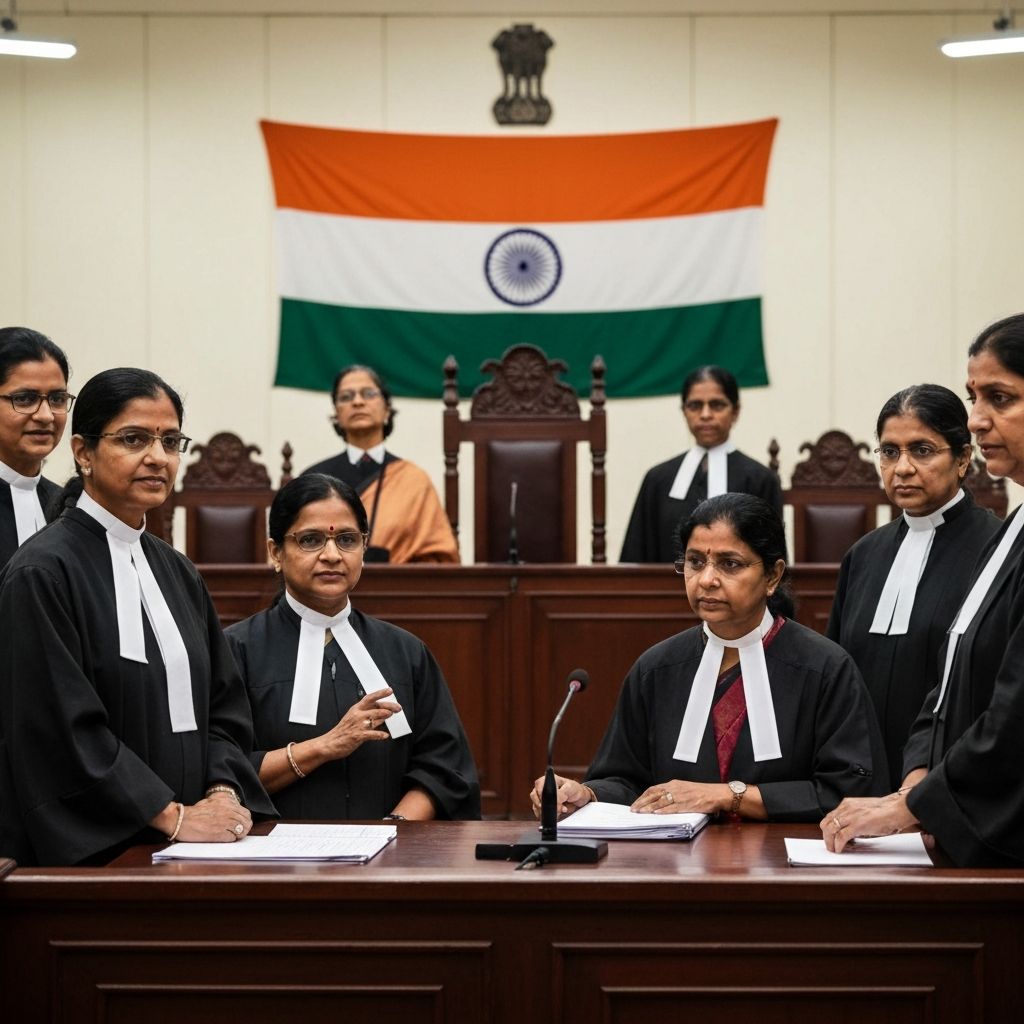
In All India Judges Association v. Union of India (2025), the Supreme Court addressed long-standing concerns over judicial service eligibility norms, mandating three years of bar practice for Civil Judge aspirants.
Key Reforms
- Practice Requirement: Minimum three years of bar practice mandatory for Civil Judge (Junior Division) examination
- LDCE Modifications: Changes to Limited Departmental Competitive Examination quotas
- Merit Incentives: Structured incentives for meritorious judicial service
Rationale
The Court emphasized that practical courtroom experience enhances judicial competence. Fresh law graduates without practice experience may lack the practical skills necessary for effective judicial functioning.
Impact on Aspirants
This judgment significantly impacts law graduates planning to enter judicial services, requiring them to gain substantial practice experience before appearing for competitive examinations.
Implementation
State judicial services must now modify their recruitment rules to incorporate this mandatory practice requirement, ensuring better-prepared candidates enter the judiciary.
Legal Disclaimer
This article is for informational purposes only and does not constitute legal advice. The information contained herein may not be applicable to all situations and may not reflect the most current legal developments. Please consult with a qualified attorney for specific legal advice regarding your situation.