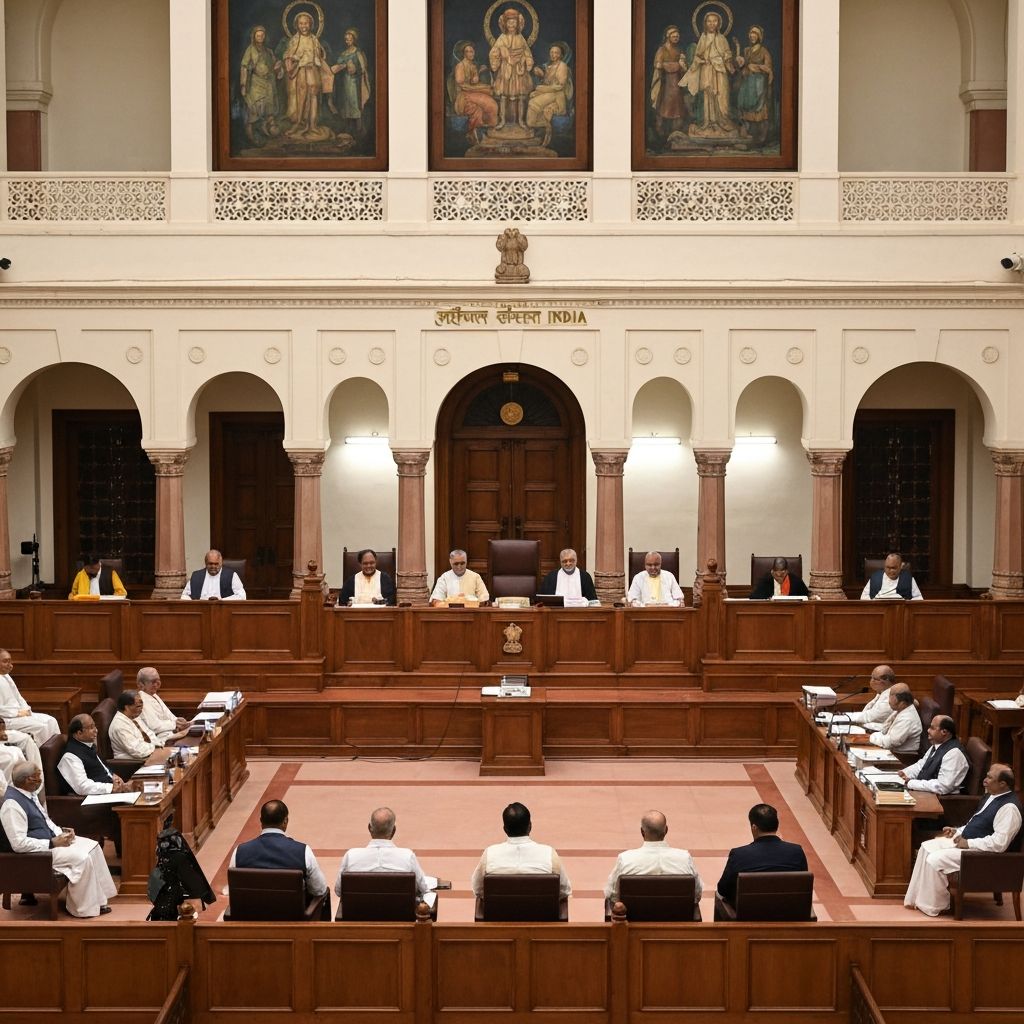
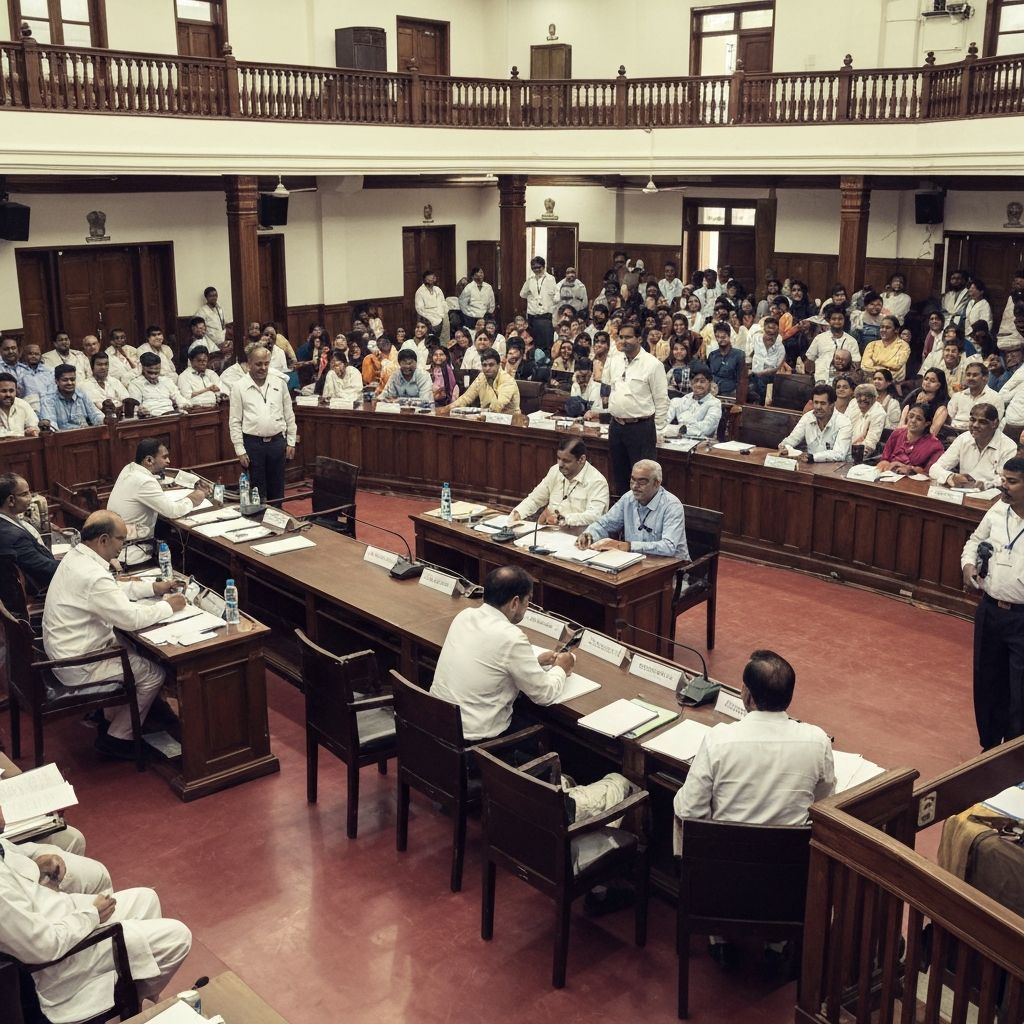
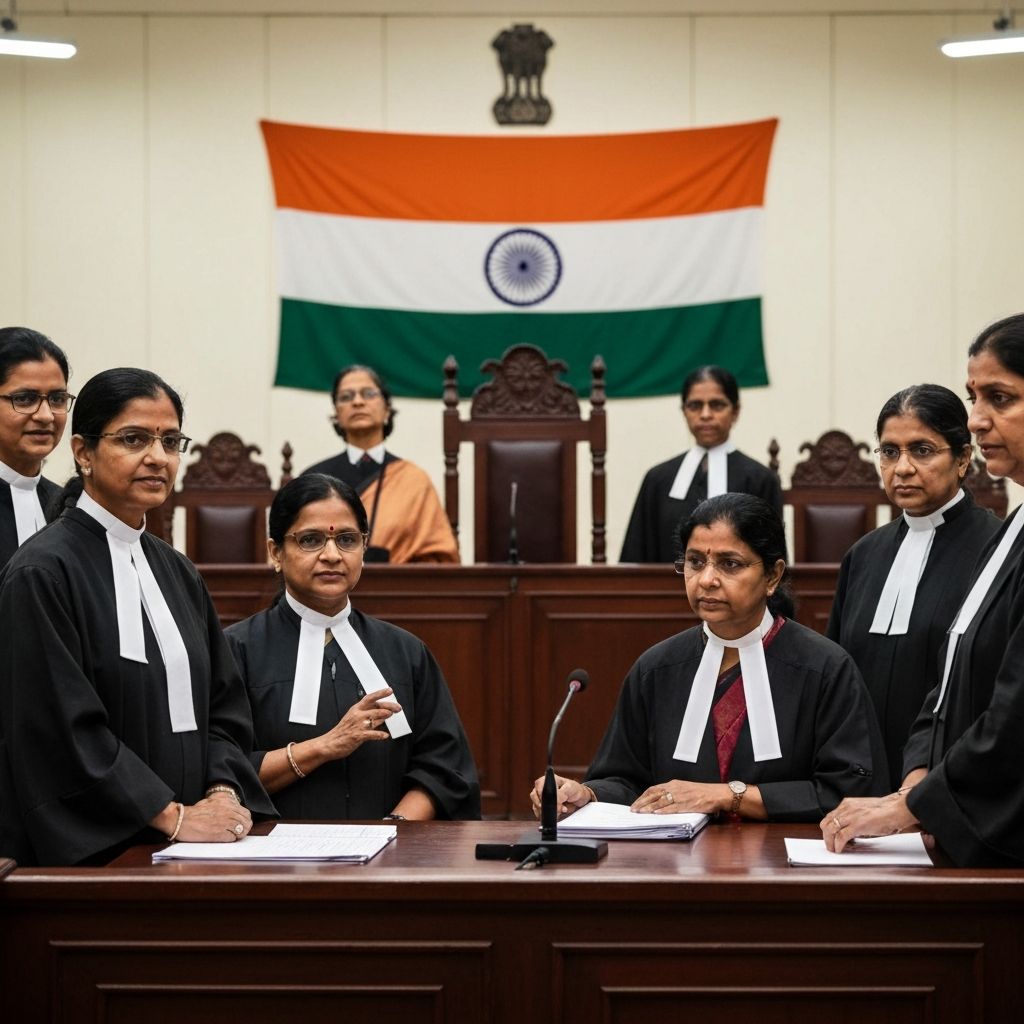
Sunil Kumar Singh v. Bihar Legislative Council: Supreme Court on Proportionality of Legislative Punishment
The Supreme Court quashed the expulsion of a Bihar MLC as disproportionate, holding that while legislative immunity exists, judicial review of administrative actions is permissible.
Adv. Suresh Gupta
Senior Partner, Constitutional Law
Introduction
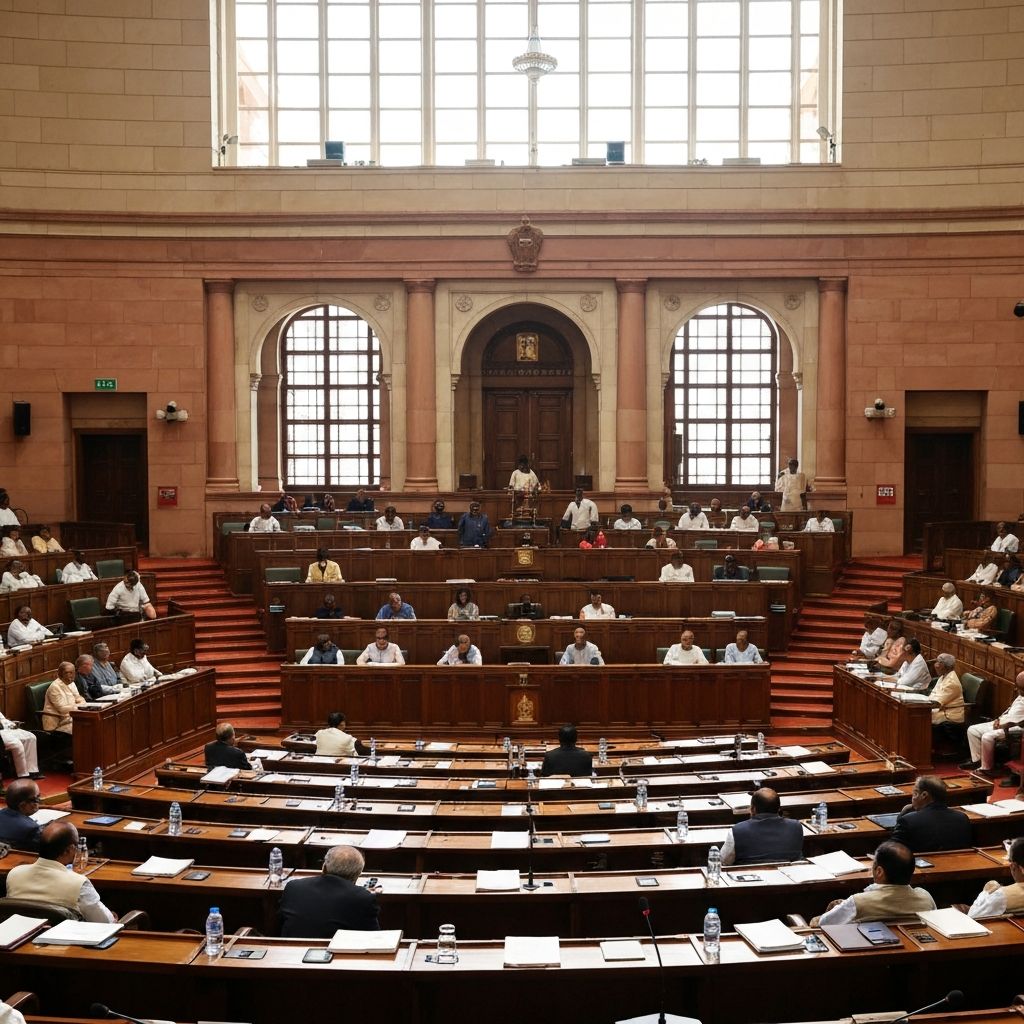
In Sunil Kumar Singh v. Bihar Legislative Council (2025 INSC 264), the Supreme Court examined the limits of legislative autonomy and the scope of judicial review over punishments imposed by legislative bodies.
Facts
The petitioner, an RJD member, was expelled from the Bihar Legislative Council for allegedly disrupting proceedings during the Governor's address by using derogatory slogans and mimicking the Chief Minister.
Key Holdings
Justice Surya Kant held that:
- Article 212(1) Scope: Only bars judicial scrutiny of procedural irregularities, not legislative decisions or administrative actions
- Ethics Committee Functions: Administrative in nature, not "proceedings" protected from review
- Proportionality Doctrine: Courts can examine if punishments are necessary, balanced, and least restrictive
Factors for Proportionality Assessment
The Court outlined guiding factors including degree of obstruction, harm to House dignity, member's prior conduct and remorse, availability of lesser penalties, and impact on democratic representation.
Article 142 Power
Invoking Article 142, the Court modified the punishment, treating the seven months of expulsion already served as equivalent to suspension, and reinstated the petitioner.
Legal Disclaimer
This article is for informational purposes only and does not constitute legal advice. The information contained herein may not be applicable to all situations and may not reflect the most current legal developments. Please consult with a qualified attorney for specific legal advice regarding your situation.